I Switched to the Arctis 7P Plus Wireless and Here is What Happened
Category: Audio
Introduction
When a gamer or audio-minded buyer decides to switch headsets, the experience is rarely just about sound — it is about compatibility, convenience, and how a product fits into real day-to-day use. The Arctis 7P Plus Wireless has been positioned as a modern, platform-friendly wireless headset aimed at PlayStation users and multi-device lifestyles. This article chronicles the switch to the Arctis 7P Plus Wireless, evaluates how it performs across practical scenarios, and offers a measured analysis for readers who care about latency, comfort, microphone quality, battery life, and software support.
Who this review is for
This write-up is aimed at console gamers (especially PlayStation users), cross-platform players who split time between PC and mobile, streamers and content creators on a budget, and anyone considering a wireless headset primarily for gaming but who also needs it for calls and media consumption. It focuses on the everyday realities buyers typically care about: compatibility, soundstage, microphone clarity, battery life, comfort over multi-hour sessions, and ease of setup.
Unboxing and first impressions
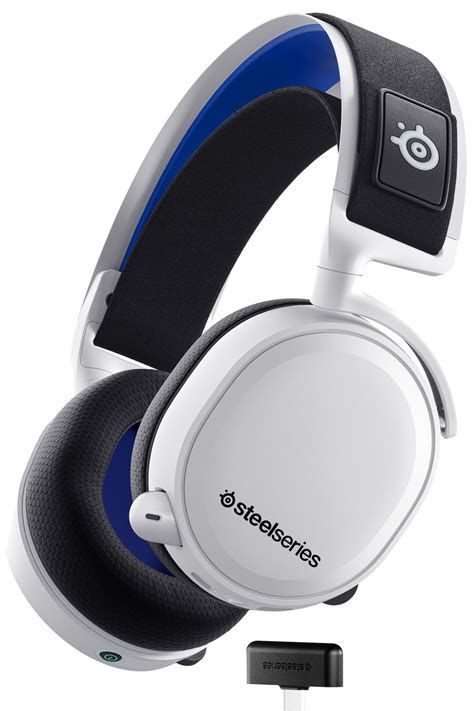
The Arctis 7P Plus arrives as a ready-to-use headset: a wireless USB-C dongle, the headset itself, and a charging cable. Setup is straightforward — plug the dongle into the PlayStation or PC, pair the headset, and play. The simplicity of the plug-and-play experience is one of the first practical wins. There is also Bluetooth for a secondary connection to a phone or tablet, which matters for those who want chat on the console while keeping calls or music on a phone.
Design, comfort, and build quality
SteelSeries has long emphasized comfort across its Arctis line, and the 7P Plus continues that trend. The suspension-style headband and breathable ear cushions make long sessions manageable. The clamping force is moderate — secure enough for active movement but not so tight that it becomes uncomfortable after a few hours. Materials are a mix of plastic for lightness and selective metal or reinforced parts for durability where it counts.
For people who play long raids or marathon streaming sessions, fit and weight are important. The Arctis 7P Plus balances these concerns well: it feels light on the head and sits evenly without hot spots. The ear cups are large enough for average to slightly larger ears, which helps with passive noise isolation without feeling isolating when one wants awareness of surroundings.
Connectivity and platform compatibility
One of the most practical aspects for buyers is how well the headset connects to devices. The Arctis 7P Plus is built with console compatibility in mind. The included wireless dongle (USB-C) makes pairing with modern consoles and many PCs a one-step process. Bluetooth adds flexibility for mobile phones and tablets, allowing an easy secondary connection for music or calls.
Crucially, users who juggle devices will appreciate that the headset can handle a low-latency wireless game connection while staying connected to a phone via Bluetooth for voice calls or chat. That multipoint behavior is a real-world convenience: it means no fumbling with cables or unplugging one device to use another.
Sound quality: games, music, and media
Sound is where the Arctis 7P Plus demonstrates its intended purpose: a balanced, gaming-oriented signature that is friendly to footsteps, directional cues, and cinematic soundtracks. In competitive shooters, the headset reproduces positional audio with clarity; short, sharp high-frequency transients (footsteps, weapon clicks) are present enough to be informative. For single-player or story-driven games, the midrange is clear and vocals feel natural, which helps with immersive dialogue.
Music playback is serviceable: the bass is present without being overbearing, mids are articulate, and highs are detailed without harshness. Audiophiles seeking a studio-flat response or very deep sub-bass may prefer a dedicated audiophile set or external DAC/amp, but for the average buyer who wants one headset for games, music, and streaming, this is a practical, versatile sound profile.
Spatial awareness and soundstage
The headset produces a usable soundstage for indoor gaming and streaming. It won't replicate the expansive imaging of high-end open-back headphones, but it does provide enough separation to place enemies, teammates, and ambience. For cooperative games where voice chat and environmental cues matter, the balance between directness and atmosphere is effective.
Find top-rated Audio & Headphones products at great prices.
Browse Now →Microphone performance
Microphone quality is often the litmus test for whether a gaming headset becomes a daily tool or an occasional accessory. The Arctis 7P Plus uses SteelSeries' voice technology and delivers a clear, mid-forward voice character that reads well in party chat, casual streaming, and remote meetings. It suppresses a fair amount of background noise and gives voices presence without sounding thin.
That said, serious streamers or podcasters who demand the absolute best vocal fidelity will likely opt for a dedicated USB/XLR microphone. For most users — teammates, friends, and colleagues — the Arctis 7P Plus mic is more than adequate.
Battery life and charging
Battery life is a practical concern for wireless headset buyers. In daily use, the Arctis 7P Plus provides multi-session endurance and rarely forces interruption mid-session for most users. Charging is handled over wired USB-C, and a short top-up will typically get a meaningful extension of playtime, which is useful for late-night sessions. For people who travel or engage in long streaming blocks, carrying a short charging cable is a simple and familiar trade-off.
Software and customization
For PC users, the SteelSeries software (often marketed under the SteelSeries GG umbrella) unlocks EQ adjustments, sound presets, and microphone tuning. These tools are valuable because they let users tailor the headset's signature to their taste — whether that means accentuating bass for music, tightening mids for voice, or making highs more detailed for competitive play. Console users will still get solid out-of-the-box performance but have fewer tweaking options unless they route sound through PC tools.
Real-world use cases
- Couch and console gamers: The plug-and-play dongle and comfortable fit make it ideal for long console sessions on the couch. Low-latency wireless keeps input-to-audio delay minimal, preserving the feel of responsive gameplay.
- Hybrid PC/phone users: Bluetooth multipoint is practical for those who want game audio and phone calls simultaneously — for example, a player in a party chat while receiving a voice call without unplugging the headset.
- Remote workers: For Zoom or Teams calls, the headset is a reasonable all-in-one option providing good voice clarity and comfort for several hours.
- Content creators on a budget: Casual streamers who need a decent mic and consistent wireless audio will find this headset suitable without immediately needing a separate mic setup.
- Travel and portable use: The wireless convenience and fold-flat-ish design (depending on how the earcups rotate) make it usable on trains or planes, though active noise cancellation is not a highlight here.
Pros & Cons
Pros
- Comfortable for long gaming or meeting sessions; breathable ear cushions and light clamping force
- Reliable wireless connectivity for consoles and PC via the included dongle
- Bluetooth secondary connection allows phone calls or music alongside game audio
- Clear microphone with effective background noise suppression for party chat and calls
- Software EQ and presets on PC let users tailor the sound signature
- Balanced sound profile that suits games, voice, and media without major compromises
Cons
- Not the best choice for audiophiles seeking a studio-grade soundstage or extremely deep bass
- No premium active noise cancellation; ambient noise can come through in noisy environments
- Advanced customization is primarily available through PC software, limiting console-side adjustments
- Battery life is good but still requires occasional charging for heavy users
Side-by-side comparison
The table below compares the Arctis 7P Plus Wireless qualitatively against two common alternatives buyers often consider: a previous-generation Arctis model (representing an ecosystem upgrade) and a common cross-platform competitor. This is to help readers weigh priorities like platform fit, wireless features, and comfort.
| Feature | Arctis 7P Plus Wireless | Earlier Arctis 7P | Cross-Platform Competitor |
|---|---|---|---|
| Primary wireless tech | Low-latency wireless dongle + Bluetooth | Wireless dongle (fewer multipoint features) | Bluetooth-first with optional dongle |
| Console compatibility | Designed for modern consoles (plug-and-play) | Designed for PlayStation compatibility | Good cross-platform support but varies by model |
| Comfort | High — suspension headband, breathable cushions | High — similar comfort philosophy | Varies; often similar but depends on brand |
| Microphone quality | Good — clear and chat-ready | Good — slightly older processing | Varies; some rivals match or exceed |
| Software features | Extensive on PC | Basic to moderate | Varies; some have rich suites |
| Battery and charging | Long sessions between charges; USB-C charging | Long sessions; older USB charging | Varies widely |
| Best for | Console-first gamers who also use phones/PC | PlayStation users looking for solid wireless | Users prioritizing Bluetooth multipoint or different price points |
Buying guide: what to consider before switching
Switching headsets is a purchase that benefits from a quick checklist. The following considerations reflect what buyers typically care about and what the Arctis 7P Plus addresses well.
1. Platform compatibility
Confirm whether the headset supports the consoles and devices used. For console-first buyers, a dongle that provides low-latency wireless to the PlayStation (or other console) simplifies setup. Bluetooth is useful as a secondary connection, but check whether the headset supports simultaneous connections if that matters.
2. Latency and wireless reliability
Competitive players should prioritize headsets with low-latency wireless tech or a dedicated dongle. Wireless lag is less noticeable in single-player experiences but immediately noticeable in twitch-based multiplayer titles.
3. Microphone needs
If the headset will be used for regular group chat, work calls, or casual streaming, a built-in mic like the Arctis’ tends to be sufficient. If the primary use is professional streaming, consider pairing a headset with a desktop USB/XLR mic.
4. Comfort and fit
Consider how long sessions typically last. Lightweight builds, breathable pads, and an adjustable headband are all practical features for long-term comfort. Read reviews about clamping force and ear cup size if the buyer has larger or smaller than average ears.
Find top-rated Audio & Headphones products at great prices.
See Deals →5. Software and customization
Power users often want EQ and microphone processing controls. Check whether the manufacturer provides PC software for profile saving and audio tuning. Console users often have fewer software options, so out-of-the-box tuning matters more.
6. Battery life and charging convenience
Long battery life reduces interruptions. Also consider charging method — USB-C is now a practical standard because it’s commonly shared across devices. For heavy users, quick top-ups that provide meaningful playtime are a big convenience.
7. Budget and alternatives
Compare price-to-feature trade-offs: are multipoint connections, detachable mics, or active noise cancellation (ANC) worth paying extra for? For many buyers, a well-rounded headset that covers gaming, chatting, and media without extra bells is the best value.
Common questions buyers ask
Does it work well with both console and PC?
Yes. The Arctis 7P Plus is designed to be straightforward on consoles while offering deeper customization on PC. It fits a hybrid use case well: console-first players who occasionally plug into a PC will find it convenient.
Is the microphone good enough for streaming?
The built-in microphone is clear and suited to party chat and casual streams. Serious streamers seeking broadcast-level fidelity will still prefer a dedicated microphone, but many casual content creators will find the headset mic more than adequate.
How is the noise isolation?
Passive isolation from the ear cups is decent, but buyers who need to block out noisy environments should not expect full active noise cancellation. The headset does well in quieter living rooms or bedrooms.
Conclusion
After switching to the Arctis 7P Plus Wireless, the overall impression is that of a well-balanced, practical headset that understands the needs of modern console and hybrid users. It excels in comfort and day-to-day convenience, offers clear voice quality for chat and calls, and provides wireless reliability that minimizes fuss during gaming sessions. While it is not a specialist audiophile or a broadcast-grade microphone replacement, it is a strong all-around choice for gamers, remote workers, and casual streamers who want a single headset that does most things very well.
For buyers who prioritize plug-and-play compatibility with modern consoles, want Bluetooth for phone pairing, and appreciate the ability to tweak sound via PC software, the Arctis 7P Plus Wireless is a practical upgrade that delivers a consistently satisfying, low-friction experience.